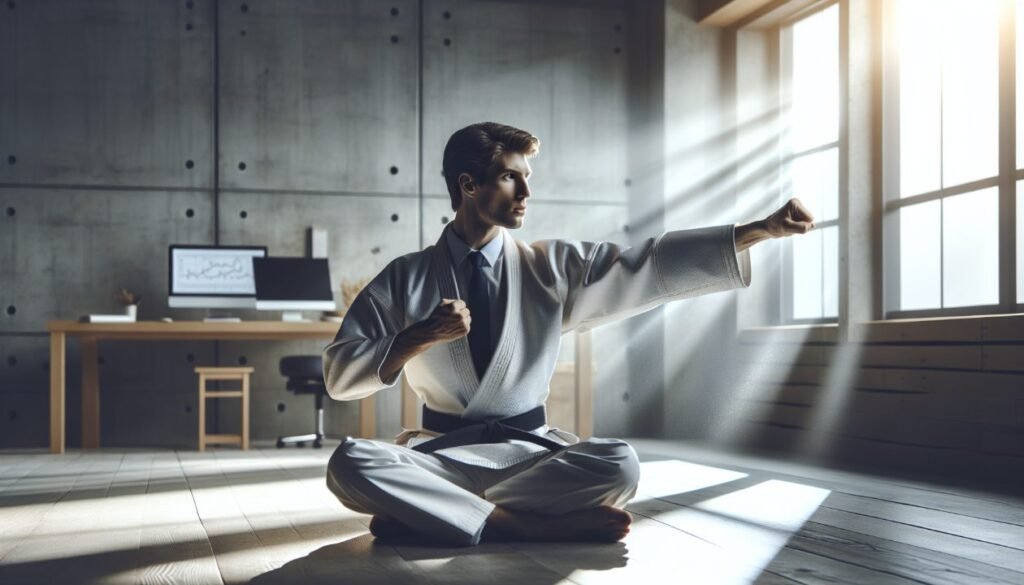
Exploring the Discipline of Karate: More Than Just Martial Arts
Karate, a martial art form that originated from the Ryukyu Kingdom, now part of present-day Japan, has evolved significantly over centuries. It is not only a method of self-defense but also a way to improve physical health, mental discipline, and spiritual growth. This article delves into the multifaceted nature of Karate, highlighting its history, styles, and benefits.
Historical Background of Karate
Karate began as a blend of indigenous Ryukyuan martial arts and Chinese kung fu, characterized by striking, kicking, and defensive blocking with arms and hands. Over time, influenced by various styles and schools, Karate developed into a distinct martial art form. It was systematized in Okinawa, Japan, in the 20th century and later spread globally after World War II, gaining international recognition and inclusion in many competitive sports arenas, including the Olympics.
Major Styles of Karate
There are several styles of Karate, each with unique techniques, philosophies, and training methods. Some of the most prominent include:
- Shotokan: Founded by Gichin Funakoshi, Shotokan is known for its linear movements and deep, long stances.
- Goju-Ryu: Developed by Chojun Miyagi, this style combines hard striking attacks with softer, circular techniques for blocking and controlling the opponent.
- Wado-Ryu: Created by Hironori Otsuka, it emphasizes body shifting to avoid attacks and thus requires less physical strength, making it accessible to a wider range of practitioners.
- Shito-Ryu: This style, founded by Kenwa Mabuni, is notable for its diverse kata and blending of Shorin-Ryu and Shorei-Ryu techniques.
Physical and Mental Benefits of Karate
Practicing Karate offers numerous benefits beyond self-defense. These include:
- Physical Fitness: Karate is an excellent cardiovascular workout that improves stamina, strength, flexibility, and overall body coordination.
- Mental Fortitude: Karate training enhances focus, perseverance, and decision-making skills by encouraging mindfulness and concentration.
- Self-Discipline: Regular practice instills discipline and respect, valuable traits that can be applied in various aspects of life.
- Stress Reduction: The mental focus required in Karate helps in reducing stress and anxiety, promoting a more peaceful mind.
Competitive Karate
Karate competitions are a testament to its effectiveness and appeal as a sport. These competitions are generally divided into kumite (sparring) and kata (form) events, each testing different skills. Kumite evaluates the practitioner’s ability to apply various combat techniques against an opponent in a controlled environment, while kata focuses on the precision and performance of Karate sequences practiced solo.
Incorporating Karate into Modern Life
Despite its traditional roots, Karate remains highly relevant today. It can be adapted for any age and fitness level, making it a versatile option for physical education in schools, self-defense workshops, and personal fitness routines. Furthermore, the values taught in Karate, such as respect, humility, and patience, are evergreen virtues that resonate well with contemporary societal values.
Conclusion
Karate is more than just a martial art. It is a comprehensive discipline that enriches the practitioner’s life physically, mentally, and spiritually. Whether one aims to improve fitness, gain confidence in self-defense, or seek a deeper understanding of martial arts philosophy, Karate offers valuable lessons and benefits that extend well beyond the dojo. As it continues to evolve, Karate undoubtedly remains a key player in the global landscape of martial arts.